
What If You Do Not Get Into Your First Choice Program? Backup Planning Done Right
Getting rejected from a competitive university program does not end your academic path. Learn how to evaluate backup offers, plan transfer or upgrade routes, and build a smarter Plan B with guidance from mentors who understand Canadian university admissions.

The Reality of Competitive University Admissions
Each year, thousands of high achieving students apply to highly competitive university programs such as McMaster Health Sciences, Rotman Commerce at the University of Toronto, UBC Sauder School of Business, Queen’s Smith Commerce, and Waterloo Engineering. Each year, many academically strong and well prepared applicants receive rejections.
This outcome is not a reflection of intelligence, effort, or potential. It is the result of limited seats, holistic admissions review, and extremely competitive applicant pools. Even near perfect applications can fall short when demand exceeds capacity.
If you have received a rejection or are concerned about one, it is important to understand this early. A rejection does not define your academic future. In many cases, it opens the door to a more flexible and strategically advantageous path.
Reframing Rejection as Redirection
The most important step after a rejection is mental. Not getting into your first choice program does not mean you were not qualified. It means that the fit, timing, or capacity did not align in that specific admissions cycle.
Students who succeed long term are those who adapt quickly and make informed decisions. Rather than focusing on what did not work, shift your attention to what you can build next.
This reframing allows you to move forward with clarity instead of panic.
Reevaluating Backup Programs with a Strategic Lens
Many students list backup programs without fully understanding their potential. Common alternatives include:
- Related programs at the same university, such as Life Sciences instead of Health Sciences
- Comparable programs at different universities, such as business programs at Queen’s, UBC, Western, or McGill
- General entry programs that allow specialization after first year
- Programs with internal transfer or upgrade pathways
Instead of dismissing these options, evaluate them carefully by asking:
- How flexible is the curriculum in first year
- Is it possible to switch majors or apply to a competitive stream later
- Are there co op, research, internship, or exchange opportunities
- Can this program still support your long term academic and career goals
Many students discover that their backup option provides greater flexibility, stronger academic support, or better experiential learning than their original first choice.
Comparing Offers Using Fit Instead of Prestige
When comparing offers, avoid making decisions based purely on rankings or reputation. The most important factor is where you are most likely to thrive academically and personally.
Consider:
- Academic flexibility and elective access
- Campus culture and learning environment
- Availability of advising, mentoring, and career support
- Opportunities for leadership, research, and experiential learning
The best program is not always the most prestigious one. It is the one that allows you to grow, explore, and perform consistently at a high level.
Understanding Transfer and Upgrade Pathways
Many Canadian universities allow students to transfer between programs, apply to limited enrollment streams, or upgrade into competitive majors after first year.
Examples include:
- Starting in Arts and Science at the University of Toronto and applying for an internal transfer to Rotman Commerce
- Beginning in Life Sciences at Queen’s or Western while building a profile for medical school
- Entering a general engineering stream and specializing later based on academic performance
A backup option is not a dead end. It is often a strategic stepping stone that gives you time to refine your goals and strengthen your profile.
Making the Most of Wherever You Land
Once you accept an offer, your focus should shift from comparison to execution. This means:
- Building relationships with professors and mentors early
- Choosing electives that align with your long term objectives
- Getting involved in clubs, research, and leadership opportunities
- Maintaining a strong GPA for future applications
What ultimately matters is not where you begin, but what you build from that starting point.
How Myls Interview Helps You Build a Smarter Plan B
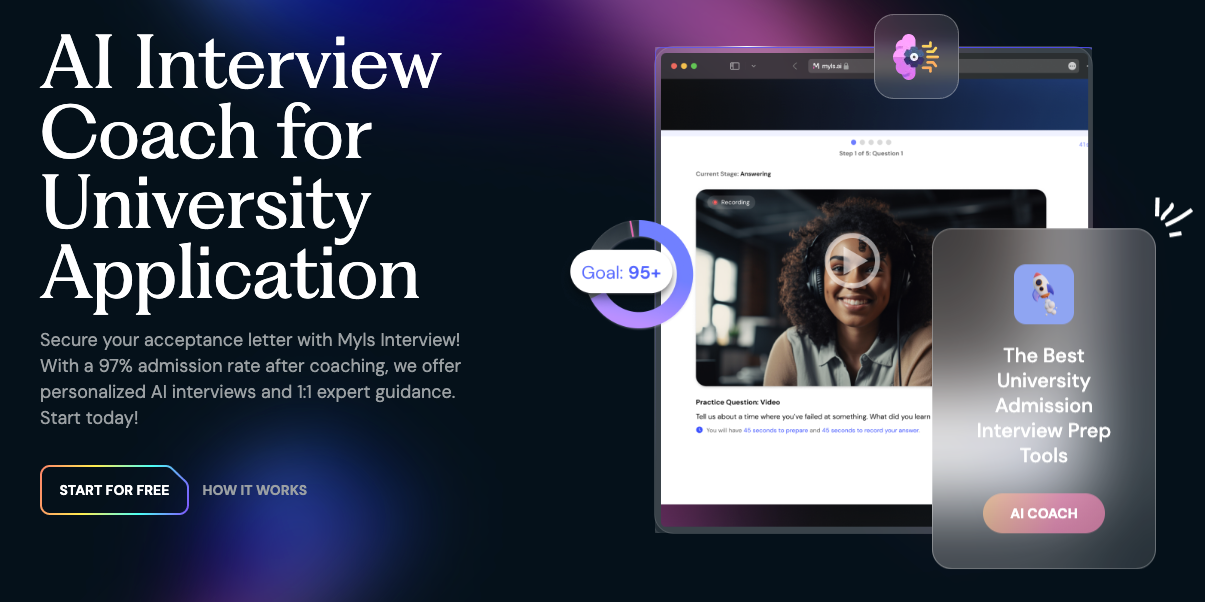
At Myls Interview, we support students at every stage of the university admissions journey, including the critical period after rejections or unexpected outcomes. Myls mentors and mock interview platform to help students regain confidence and move forward strategically.
One on One Mentorship for Offer Evaluation
Our mentors work closely with students who are comparing offers or reassessing options after a rejection. We help you:
- Understand the real strengths and limitations of each program
- Align your choice with your academic style and career goals
- Identify overlooked opportunities such as minors, certificates, or research tracks
- Avoid emotional decision making and focus on long term fit
This process replaces uncertainty with clarity.
Strategic Transfer and Upgrade Planning
If your long term goal involves transferring, upgrading, or applying to a competitive stream later, we help you plan from the very beginning. This includes:
- Mapping first year courses to transfer and upgrade requirements
- Identifying GPA benchmarks and extracurricular expectations
- Preparing for future essays, interviews, and supplementary applications
Whether your goal is commerce, engineering, or medical school, we help you plan both the present and the next step.
Resume and Interview Support for Future Opportunities
A rejection does not pause your growth. Myls Interview helps you continue strengthening your profile through:
- Resume refinement for internships and research roles
- Mock interviews for internship, leadership programs and future applications
- Personal statement coaching for transfers or graduate school
Your progress does not stop with one admissions decision.
Emotional Support Grounded in Strategy
Our mentors understand the emotional impact of rejection, but they go beyond reassurance. We provide clear plans, honest conversations, and practical next steps that restore confidence and direction.
Final Perspective: Your First Choice Is Not Always Your Best Outcome
Many successful students did not begin in their dream program. What set them apart was their ability to adapt, reflect, and execute a smarter plan.
A backup option can become a powerful launch point when paired with the right guidance.
If you are navigating rejections, comparing offers, or planning what comes next, connect with a Myls Interview mentor today. With the right strategy, your next step can be just as strong as your original goal.


