
How to Balance Passion and Career Opportunities When Choosing a Major
Choosing a university major does not have to mean sacrificing passion for stability. This guide explains how to compare STEM, Business, Arts, and Health fields, build hybrid academic paths, and make confident decisions aligned with long term goals and Canadian university options.

One of the most common dilemmas students face when choosing a university major is deceptively simple.
Do I follow what I love or what leads to a stable job
You might love art history, but everyone around you urges you to study business. You may be deeply interested in social justice, yet constantly hear that it will not pay the bills. This tension between passion and practicality is real and often misunderstood.
At Myls Interview, we help students move beyond this false choice. The reality is that you do not have to sacrifice fulfillment for stability. With the right academic strategy, you can design a path that supports both personal interest and long term opportunity.
Understanding the Passion Driven Path
Passion driven majors are usually the subjects that feel natural and energizing. They are the areas students return to even without external pressure.
These often include:
- Arts and Humanities such as English, Philosophy, History, Political Science
- Creative disciplines such as Music, Theatre, Design, Media Studies
- Interdisciplinary fields such as Environmental Studies, Global Health, Gender Studies
Strengths of choosing a passion aligned major
- Higher intrinsic motivation, which often leads to stronger academic performance
- Deeper engagement in class discussions, research, and extracurriculars
- Greater potential for long term fulfillment and innovation
Real considerations to plan for
- Career paths may be less linear and require intentional planning
- External pressure from family or peers who question practicality
- Possible need for additional credentials such as graduate school, certificates, or applied experience
A passion driven major is not risky by default. It becomes risky only when it is chosen without a plan.
Understanding the Practical Career Oriented Path
Practical majors are often associated with clear job pipelines, stable demand, and strong earning potential.
Common examples include:
- Engineering
- Nursing and Health Professions
- Accounting and Finance
- Computer Science and Data Science
- Business Administration and Commerce
Strengths of practical majors
- Strong alignment with industry needs and regulated professions
- Built in co-op, internship, or licensing pathways
- Easier to explain to families and admissions committees
Important realities to consider
- Lack of interest can lead to burnout or disengagement
- Many programs demand strong quantitative or technical aptitude
- Some fields evolve rapidly due to automation or policy shifts
A practical major works best when it also aligns with your learning style, strengths, and values, not just external expectations.
Where Passion Meets Purpose Building a Hybrid Academic Path
Here is the key insight most students miss:
You do not have to choose between passion and practicality
Many successful students intentionally combine both through strategic design.
Common hybrid approaches
- Double majors or majors with minors such as Computer Science and Psychology or Business and Visual Arts
- Strategic electives that balance technical skills with writing, ethics, or leadership
- Certificates and micro credentials that add business or data skills to arts degrees or communication skills to STEM degrees
- Interdisciplinary programs offered at Canadian universities such as integrated sciences or combined commerce and arts pathways
- Passion projects such as research, portfolios, community initiatives, or startups alongside coursework
Your major is a foundation, not a constraint. What matters is how you build on it.
Why Story and Positioning Matter More Than the Major Itself
Admissions committees and employers do not evaluate majors in isolation. They evaluate direction, coherence, and growth.
Consider these examples:
- A Political Science student who focused on public health policy and nonprofit work builds a strong foundation for medical or public health pathways
- A Theatre student who completed a business certificate and marketing internships positions themselves for creative strategy roles
- A Computer Science student with a Philosophy minor can pursue careers in ethics, policy, or responsible AI
The question is not whether your major is safe.
The question is whether your choices show intentional development and transferable skills.
How Myls Interview Mentors Help Students Align Passion and Practicality
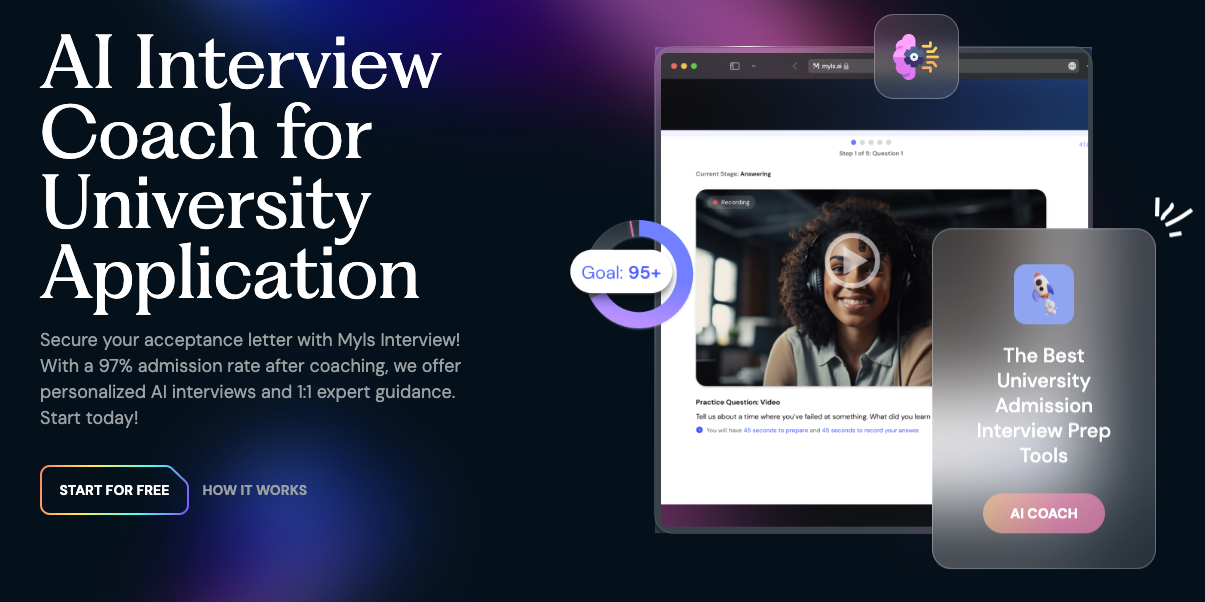
At Myls Interview, we provide a mock interview platform and our mentors work with students navigating this exact decision across STEM, Business, Arts, and Health programs at Canadian universities.
Our mentors are graduated from top Canadian institutions who understand how these decisions play out in real academic and admissions contexts.
How our mentors support you
- Clarify interests and working style
We help you distinguish between hobbies, academic interests, and environments where you consistently perform well - Map interests to emerging and interdisciplinary fields
Students often discover new pathways such as psychology and UX design or economics and sustainability - Compare programs across Canadian universities
We go beyond program names to examine curriculum structure, flexibility, co op access, and academic culture
Strategically position any major for applications and interviews
We help you:
- Craft personal statements with insight and direction
- Explain your major choice confidently in interviews such as U of T Rotman Commerce, Ivey AEO, or McMaster Health Sciences
- Align your academic story across essays, resumes, and video interviews
Plan for long term adaptability
We help students build flexibility through electives, minors, extracurriculars, and certifications so their degree remains relevant as interests evolve
Whether you are choosing between Engineering and Computer Science, Commerce and Economics, or Psychology and Health Sciences, our mentors help you make informed decisions grounded in clarity rather than pressure.
Final Perspective You Do Not Have to Choose Blindly
Choosing a university major is not about predicting the rest of your life. It is about selecting a starting point that reflects who you are now while leaving room to grow.
With the right expert guidance, structure, and reflection, you can build a path that supports both meaning and opportunity.
Book a session with our mentor who can help you explore your interests, compare options realistically, and design an academic direction that fits your future. Sign up with Myls Interview to practice admission interviews.


