
Ethical Interview Questions Explained: What Universities Are Really Testing
Ethical questions in university interviews are designed to reveal your values, empathy, and critical thinking. In this blog, learn what admissions officers are looking for, how to structure strong responses, and how Myls Interview helps you prepare with real practice and mentorship.

Why Universities Ask Ethical Questions in Interviews
Whether you are applying to McMaster Health Sciences, Rotman Commerce at the University of Toronto, Queen’s Smith Commerce, UBC Sauder School of Business, Waterloo Engineering, or other competitive programs, ethical and situational interview questions are a standard part of the admissions process.
Universities are not only selecting students with strong grades. They are selecting future professionals, collaborators, and decision makers. Ethical questions help admissions committees assess whether you can:
- Think through complex situations
- Balance competing responsibilities and values
- Demonstrate empathy and perspective taking
- Communicate decisions clearly under pressure
- Act with integrity when there is no obvious right answer
These qualities are essential for success in fields such as medicine, business, law, engineering, public policy, and health sciences, and they cannot be evaluated through transcripts or test scores alone.
What Ethical Interview Questions Actually Look Like
Ethical interview questions are usually presented as realistic scenarios, not abstract philosophy problems. You are asked what you would do and why.
Common examples include:
- You notice a classmate cheating during an exam. What do you do?
- A group project member consistently fails to contribute. How do you handle it?
- You are asked to support a decision that conflicts with your personal values
- A friend asks you to lie on their behalf
- A patient refuses treatment you believe is necessary
There is no single correct answer. What matters is how you reason, which values guide you, and how clearly you explain your decision.
What Admissions Committees Are Really Evaluating
Ethical Reasoning
Can you identify conflicting principles, such as honesty versus loyalty or autonomy versus responsibility. Do you recognize that ethical decisions often involve tradeoffs.
Empathy and Maturity
Do you consider how your decision affects others. Can you balance firmness with compassion.
Communication Under Pressure
Can you explain your thinking in a structured and calm way even with limited time, as required in MMI interviews, Kira Talent video interviews, and the timed university interview platform.
Self Awareness
Do you recognize your own limitations, biases, and role within the situation instead of speaking in absolutes.
Universities value applicants who think beyond rigid rules and demonstrate judgment, reflection, and accountability.
How to Approach Ethical Interview Questions Effectively
Start by Identifying the Core Dilemma
Before jumping to an answer, clearly state what makes the situation difficult. Strong applicants show they understand why the decision is challenging.
For example, acknowledging both academic integrity and personal relationships in a cheating scenario shows depth of thinking.
Use a Clear Reasoning Structure
A structured response prevents rambling and demonstrates organized thinking.
A commonly effective approach is:
- Stakeholders - Who is affected and how
- Problem - What is the ethical tension
- Implications - What are the possible consequences of different actions
- Principles - What values guide your reasoning such as fairness honesty respect
- Solution - What you would do and why
Using structure is especially important for Canadian university video interviews and MMI stations, where time is limited.
Avoid Black and White Thinking
Ethical maturity means recognizing nuance. It is acceptable and often impressive to acknowledge emotional difficulty while still committing to a responsible decision.
For example, explaining that you would first speak privately with a classmate before escalating shows judgment, not indecision.
Use Real Experiences When Possible
If the question allows, briefly referencing a similar experience strengthens credibility. Focus on what you learned rather than portraying yourself as flawless.
Common Mistakes That Lower Ethical Interview Scores
- Giving perfect sounding but shallow answers that avoid real tension
- Ignoring how others are affected and focusing only on yourself
- Avoiding the difficult part of the scenario instead of addressing it directly
- Rambling without structure, especially under timed conditions
- Over moralizing with dramatic or absolute language
Admissions officers consistently score clear reasoning higher than moral certainty.
How Myls Interview Prepares You for Ethical Questions
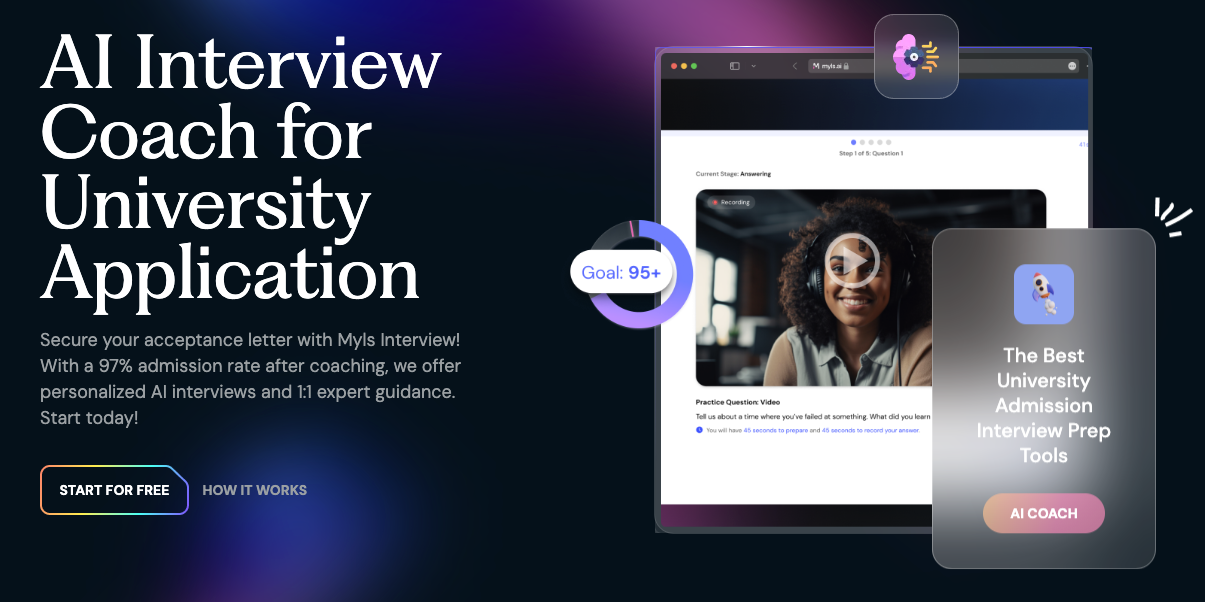
Myls Interview is built specifically to train students for ethical and situational interview questions used by top universities in Canada and internationally.
Practice With Realistic Ethical Scenarios
Students practice on Myls Interview platform:
- MMI interview stations
- CASPer Test
- Undergraduate supplementary application video interviews and video essays
- Graduate supplementary application video interviews
- Internship interview
- Alumni interview
Practice is timed, recorded, and reviewable, mirroring real admissions conditions.
Learn Proven Ethical Reasoning Frameworks
Myls Interview teaches practical reasoning frameworks that help students:
- Stay calm under pressure
- Organize thoughts quickly
- Address multiple perspectives
- Avoid common evaluation pitfalls
Frameworks are adapted for video interviews, panel interviews, and asynchronous platforms like Kira Talent.
Personalized Mentor Feedback
Students receive guidance from mentors who have successfully completed Canadian university interviews. Mentors help applicants:
- Clarify unclear logic
- Strengthen ethical justification
- Adjust tone for empathy and professionalism
- Turn real experiences into strong interview responses
Mentors understand exactly what admissions committees at their dream schools expect.
Build Confidence Through Repetition
Ethical questions become manageable through deliberate practice. With repeated simulations and feedback, students develop interview ready confidence, not memorized answers.
Final Perspective on Ethical Interview Questions
Universities do not expect perfection. They expect thoughtfulness, honesty, and sound judgment.
Ethical interview questions are designed to evaluate how you think, not to trap you into failure. With the right structure and preparation, these questions become opportunities to demonstrate maturity and readiness for university level responsibility.
If you want to improve your ethical reasoning, communication, and confidence for university interviews, Myls Interview provides the tools, mentors, and practice environment to help you succeed.
Start practicing today with real ethical scenarios and book a session with experienced expert to receive feedback so you can walk into your interview prepared for any situation.


